Safe walking
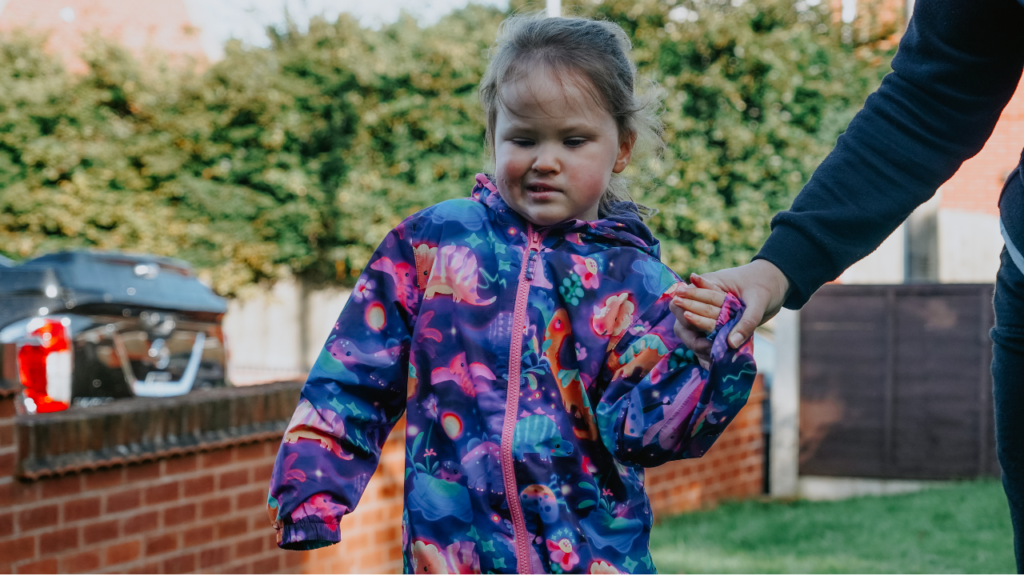
Walking is an important life skill that helps children become more independent, active, and confident. It is also a great way for families to spend time together, enjoy the outdoors, and explore their local community.
For some children, especially autistic children and those with additional needs, walking safely can be difficult. Busy places, traffic, noise, changes to routine, and understanding safety rules can all make going out more challenging.
The good news is that with practice, preparation, and the right support, many children can develop safer walking skills over time.
Why safe walking can be challenging
Every child is different and may have their own reasons for finding walking difficult.
Sensory differences
Some children are very sensitive to what they see, hear, smell, or feel. They may become overwhelmed by:
- Stopping at the kerb
- Looking for traffic
- Waiting for an adult
- Crossing safely
- Staying close to a parent or carer
Communication differences
Children may:
- Find spoken instructions difficult to understand
- Need visual reminders and prompts
- Be unable to tell others when they are worried, upset, tired, or uncomfortable
A need for routine
Unexpected changes can be difficult for some children. A new route, delayed bus, or busy environment may increase anxiety and make it harder for them to focus on safety.
Running off
Some children may suddenly run towards something that interests them, such as:
- A favourite colour
- Vehicles
- Animals
- Toys
- People they recognise
Others may enjoy being chased and not understand the dangers near roads, car parks, or public places.
Physical differences
Some children may tire more quickly when walking and need regular breaks. Others may walk on their tiptoes or have difficulties with balance and coordination.
If you have concerns about your child’s walking or movement skills, speak to a healthcare professional for advice.
Safe walking tips
Teaching safe walking takes time. The most important thing is keeping your child safe while they learn.
Start small
Begin with short, familiar walks such as:
- Home to the local park
- Home to the shops
- Walking around your neighbourhood
As your child’s confidence grows, gradually increase the distance.
Practise regularly
Children often learn best through repetition. Using the same routes regularly can help them become familiar with what to expect.
Use positive praise
Praise your child whenever they show safe walking skills. For example:
- “Great walking!”
- “Good waiting!”
- “Well done for holding hands.”
Some children may enjoy rewards such as:
- High fives
- Hugs
- Stickers
- Reward charts
- Extra playtime
Keeping your child safe
If your child finds it difficult to stay close or hold hands, you may wish to consider:
- Safety reins
- A backpack harness
- Wrist links
Talk to your healthcare or education professionals if you would like advice about suitable options.
Preparing before you leave home
Planning ahead can make trips less stressful for both children and parents.
Choose the right time
Try visiting busy places during quieter times of the day when there are fewer people, less noise, and fewer distractions.
Pack a small backpack
Some children find it helpful to carry a lightweight backpack. Useful items may include:
- A drink
- Snacks
- Spare clothing
- Ear defenders or headphones
- Fidget toys
- A favourite comfort item
These can help children manage anxiety and sensory needs while out and about.
Dress for comfort
Choose comfortable clothing and footwear.
If your child dislikes socks, you could try:
- Seamless socks
- Turning socks inside out
- Different fabric types
Noise-cancelling headphones, sunglasses, or hats may also help children who are sensitive to noise or bright light.
Using visual supports
Many children benefit from visual information to help them understand what will happen during a journey.
You could use:
- Pictures of places you are visiting
- Visual schedules
- Now and Next boards
- Photographs of routes
- Road safety symbols such as “stop” or “wait”
Visual supports can help reduce anxiety and make journeys feel more predictable.
Making journeys more predictable
Predictability can help children feel calmer and more confident.
Keep routines consistent
Where possible:
- Use the same route
- Wait in the same place for transport
- Follow a familiar routine
Use simple language
Keep instructions short and clear, for example:
- Stop
- Wait
- Hold my hand
- Walk with me
Allow extra time
Leaving early can reduce stress and avoid the need to rush.
Offer reassurance
Simple reassuring statements can help children feel safe, such as:
- “You’re safe.”
- “We’re going together.”
- “I’m here.”
Have something to look forward to
A favourite activity or reward at the end of the journey can help motivate children and create positive experiences
Travelling on public transport
Public transport can be noisy, busy, and unpredictable.
To make journeys easier:
- Practise short journeys first
- Explain where you are going
- Count stops together
- Use pictures to show the destination
- Praise your child for waiting, sitting, and following instructions
Travelling the same route several times can help build confidence.
Air travel and airports
Airports can be overwhelming due to crowds, queues, noise, and unfamiliar routines.
Helpful strategies include:
- Preparing your child in advance using photographs or social stories
- Showing pictures of the airport, aircraft, and destination
- Bringing snacks, comfort items, and entertainment
- Asking airport staff for support if needed
- Allowing extra time for check-in and security
Many airports offer assistance services for passengers with additional needs.
Hidden Disabilities Sunflower lanyard
Some families find the Sunflower Lanyard helpful when travelling. The lanyard lets staff know that a person has a hidden disability and may need additional support, patience, or understanding.
When to seek further advice
Speak to a health, education, or social care professional if you are concerned about:
- Walking safety
- Frequently running off
- Balance or coordination
- Sensory differences
- Anxiety when out in the community
- Communication difficulties
They can help identify strategies and support that meet your child’s individual needs.
Remember, every child learns at their own pace. Celebrate small successes, keep practice positive, and focus on safety while your child builds confidence and independence.
Useful links and resources
- National Autistic Society – road safety, travel, and community access
- Brake Road Safety Charity – road safety advice and resources for families
- Child Autism UK – resources on teaching road safety skills
- RoSPA (Royal Society for the Prevention of Accidents) – road safety and accident prevention information
- The Challenging Behaviour Foundation – advice on running off and keeping children safe
- Hidden Disabilities Sunflower
- Bedfordshire and Luton Children’s Occupational Therapy Service – ideas and strategies for supporting sensory needs
- Child Accident Prevention Trust (CAPT) – child safety guidance and practical advice